The War of Choice and the Dream of a Final Term
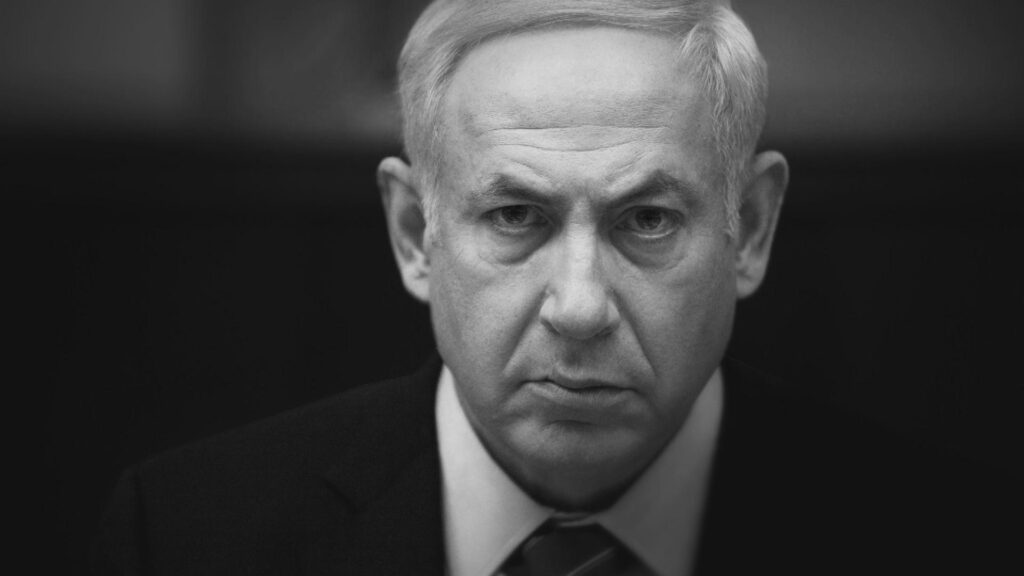
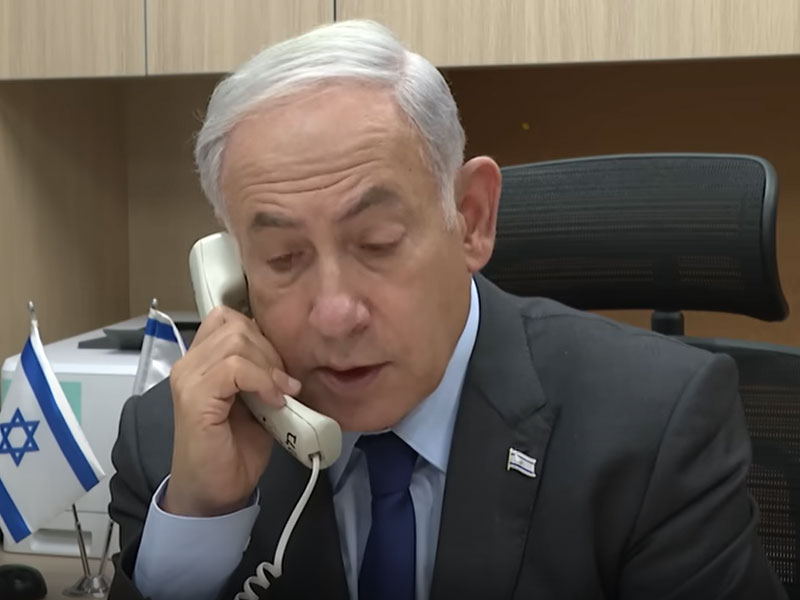
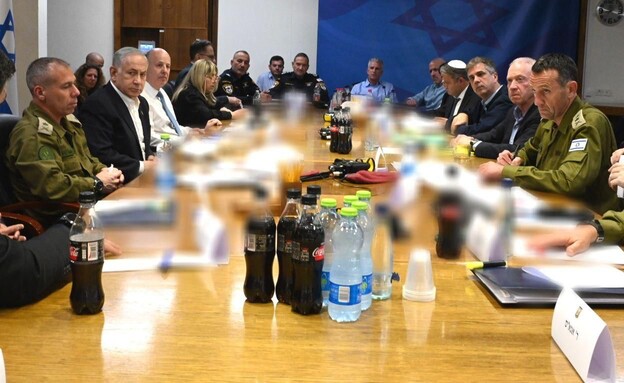
The Second Iranian War was intended to be the path to securing another term for Benjamin Netanyahu and a strategic bypass to cancel the ongoing legal proceedings against him. The plan was clear: elections in early summer, following which the prime minister would prove he is indeed the “King of Israel.” All of these objectives seemed tangible on the morning of Saturday, February 28, when Israeli citizens learned they were at war with Iran. The goals and reasons were not entirely clear, but it was heavily implied that the affair was a war of choice aimed at regime change in Tehran. That morning marked the end of the “waiting period” for what was supposed to be Netanyahu’s version of the Six-Day War.
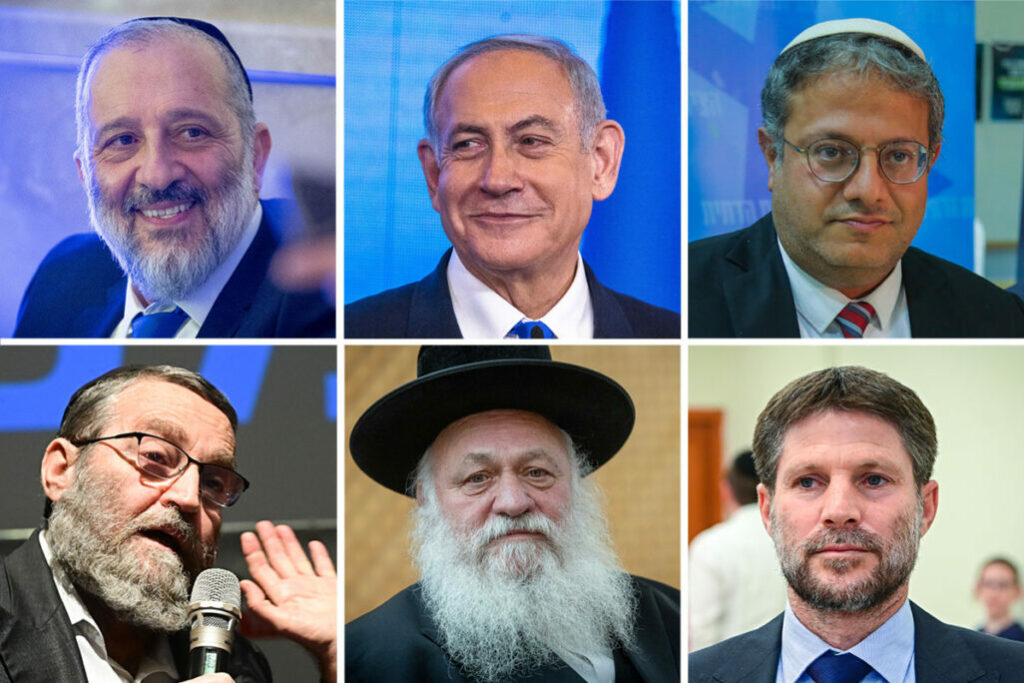
As of this writing, nearly two weeks have passed, and for most Israelis, the campaign is perceived as the “War of Sirens” or the “War of Shelters.” What began as a war against the regime in Tehran has devolved into a “war of attrition” in bomb shelters. Reports of early elections—slated for half an hour after the “Total Victory”—have vanished. Talk of elections has been replaced by statements about the importance of passing the national budget to prevent them. To ensure the implementation of this plan, Netanyahu and his aides were forced to bribe ultra-Orthodox parties with billions of shekels.
The Surprising Ally: The Gamble on Donald Trump
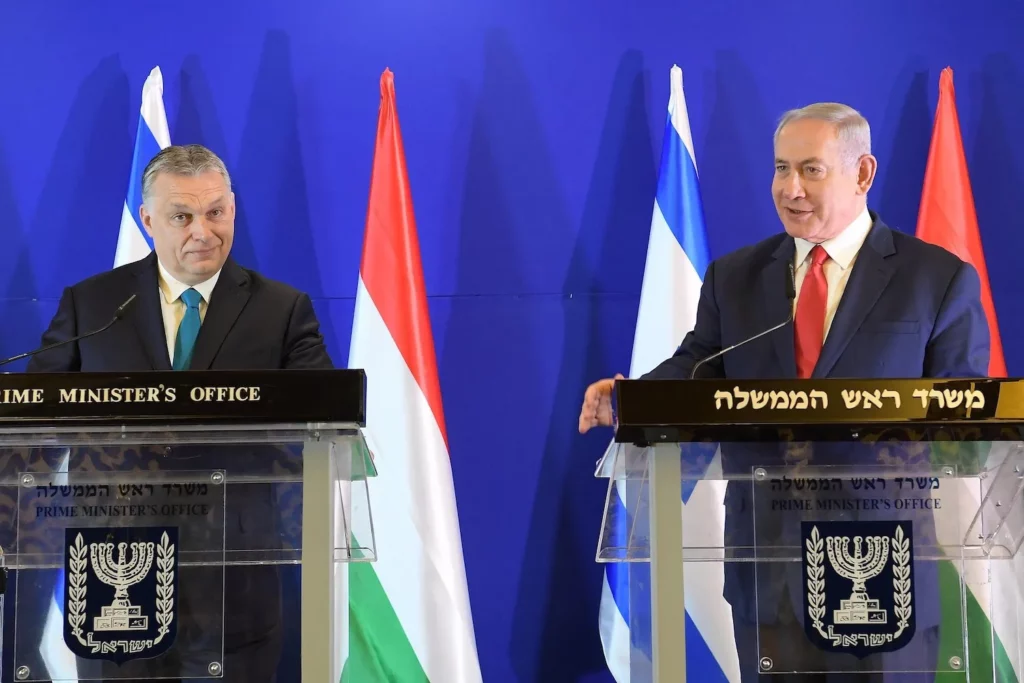
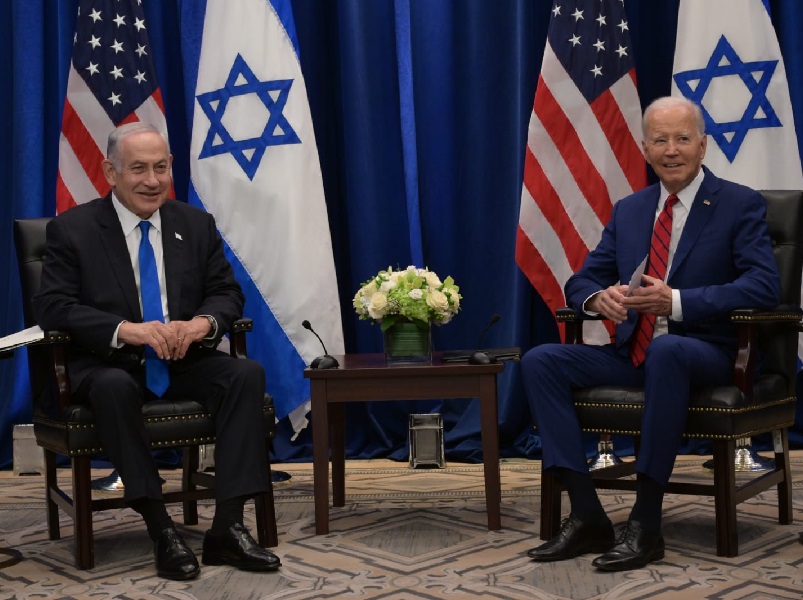
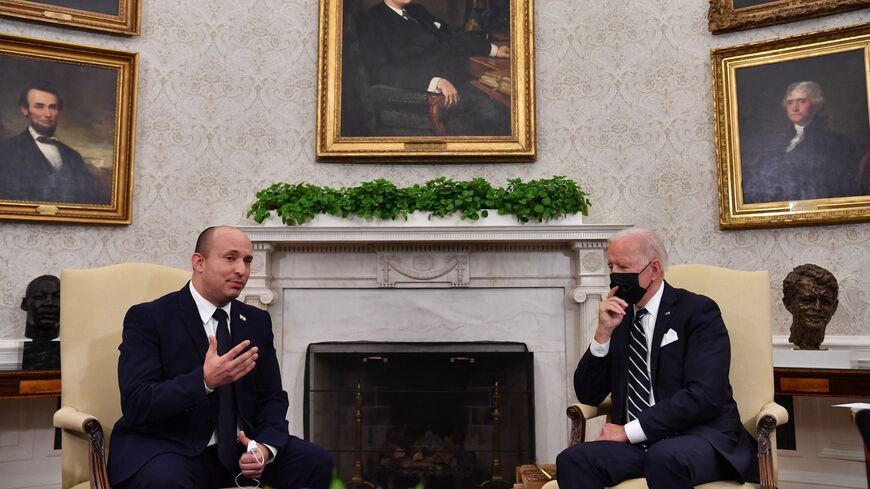
Netanyahu, as is well known, does not excel at navigating out of crises, especially wars. This was why, in previous terms, he avoided battle whenever possible. When he found himself in a military conflict, he relied on the incumbent U.S. administration to halt violent outbursts. This time, Donald Trump occupies the White House—a leader not known for great diplomatic wisdom and entangled in a military adventure alongside Netanyahu. Recently, Trump hinted at declaring “victory” and withdrawing U.S. forces. In such a case, Netanyahu will face a grim dilemma: continue the campaign alone, or use the American ladder to climb down from the tree and escape the situation he has stumbled into.
It is difficult to know what Netanyahu will decide, as, from his perspective, both alternatives are dire. However, it is unlikely he would want to face the consequences of the war alone while the Ayatollah regime remains intact, especially since his claims over the past year regarding the weakening of Hezbollah proved exaggerated and Israel was unprepared for a northern campaign. Whatever Netanyahu decides, he will be forced to invent a new narrative for the elections. The last thing he needs is a surging public demand for a national commission of inquiry into the failures of the campaign against Iran and Hezbollah.

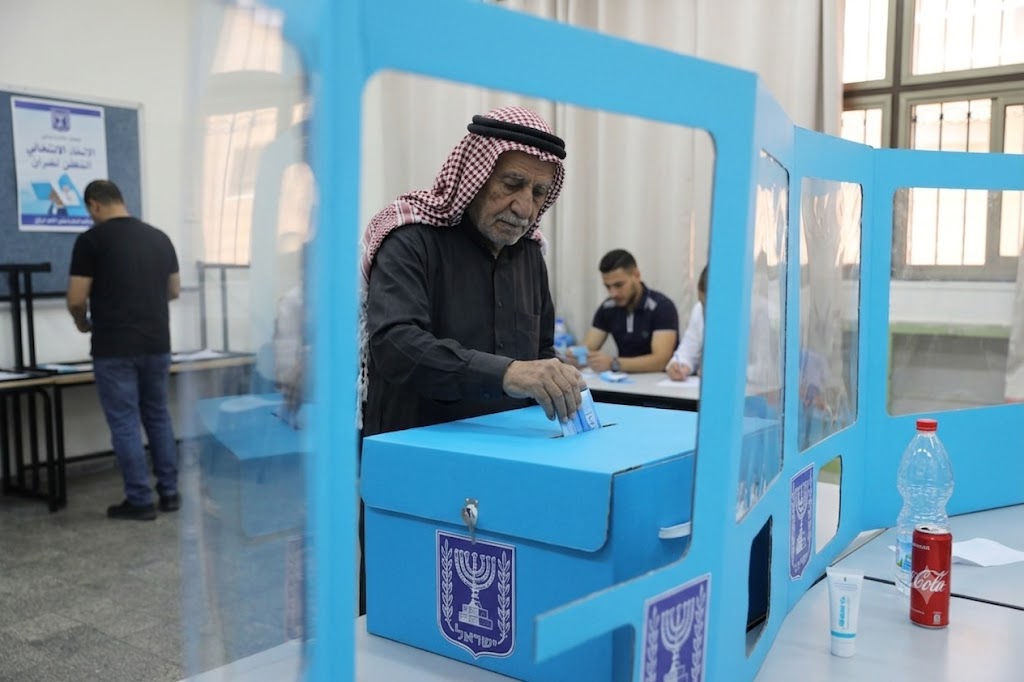
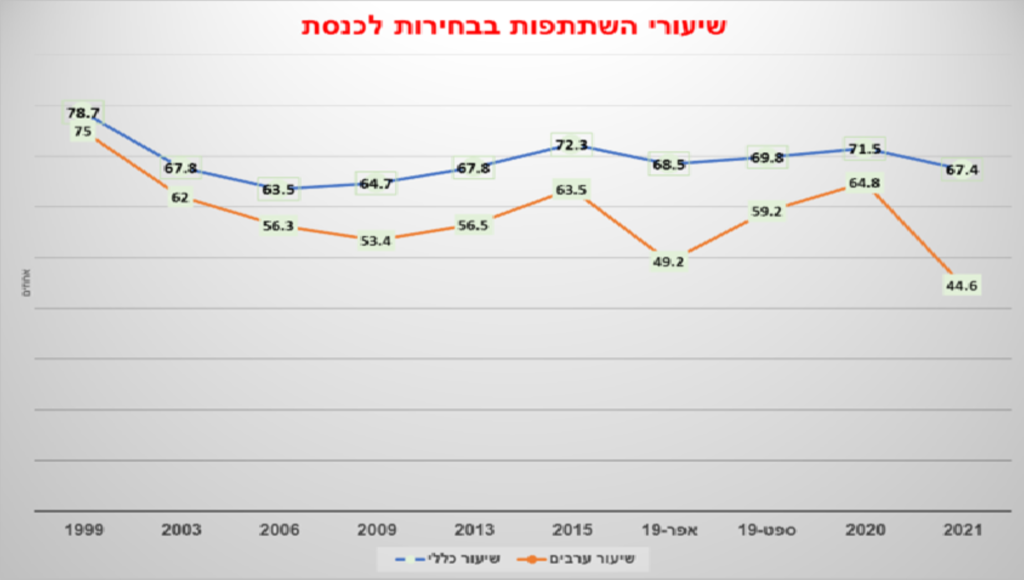
Indeed, Netanyahu has many reasons to worry about the war’s impact on his political future. Beyond the possibility of violence or manipulation in the election cycle, the “historic victory” was meant to pave the way for the right to eternalize its rule. Now, if “victory” is not achieved, he must fear a significant drop in voter turnout among his supporters—particularly in areas hit by missiles—and among those economically devastated by the war. To these, one must add those citizens still scarred by the events of October 7, 2023, and the ensuing conflict.
This bleak picture may force Netanyahu to adopt a strategy of intensifying polarization within Israeli society, seeking “culprits” for the Iranian regime’s resilience while attempting to manufacture a forced image of victory. Expect the use of “traitor” rhetoric to expand significantly, dominating the administration’s propaganda channels. If there were any remaining boundaries to incitement, they are likely to vanish in the coming months.
Between Jerusalem and Riyadh: The President’s Loyalty Test
As if his electoral troubles weren’t enough, Netanyahu faces serious diplomatic challenges: the united front with Trump may crack. For Trump, the war is causing significant political damage within the U.S. It has not garnered support among Americans, including those considered the president’s allies. This November, just a week after Israel’s official election date, the U.S. will hold elections for Congress and the Senate. Even before the war, polls suggested a Democratic victory in the House. Now, the Republican Party’s position has worsened, and the president is unwilling to face a Democratic majority in either chamber.
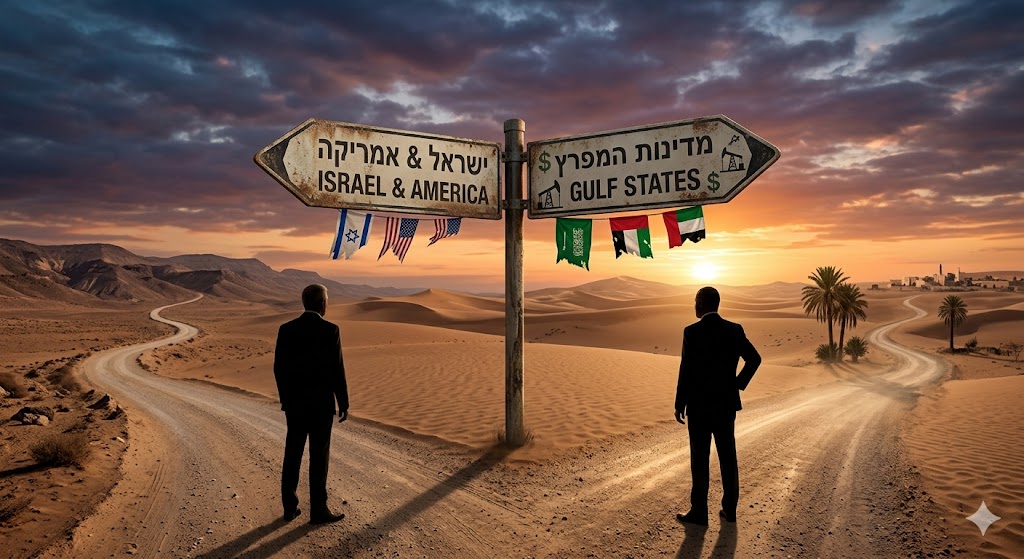
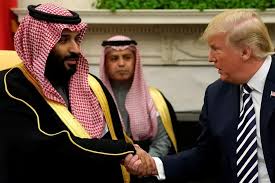
Furthermore, the president, viewed as the “representative” of Gulf states in Washington, is at a critical juncture. If Trump once believed he could support Netanyahu while maintaining ties with the Gulf monarchs, he now finds he must choose a side. The Gaza war has convinced the Gulf elite, particularly in Saudi Arabia, that they cannot ignore the Palestinian issue. Now, the Second Iranian War forces them to demand that the U.S. prioritize their interests, even at Israel’s expense. Gulf leaders are not just political allies but business partners who have promised hundreds of billions in investments. It is difficult to see Trump sacrificing these for an increasingly unpopular alliance with Netanyahu.

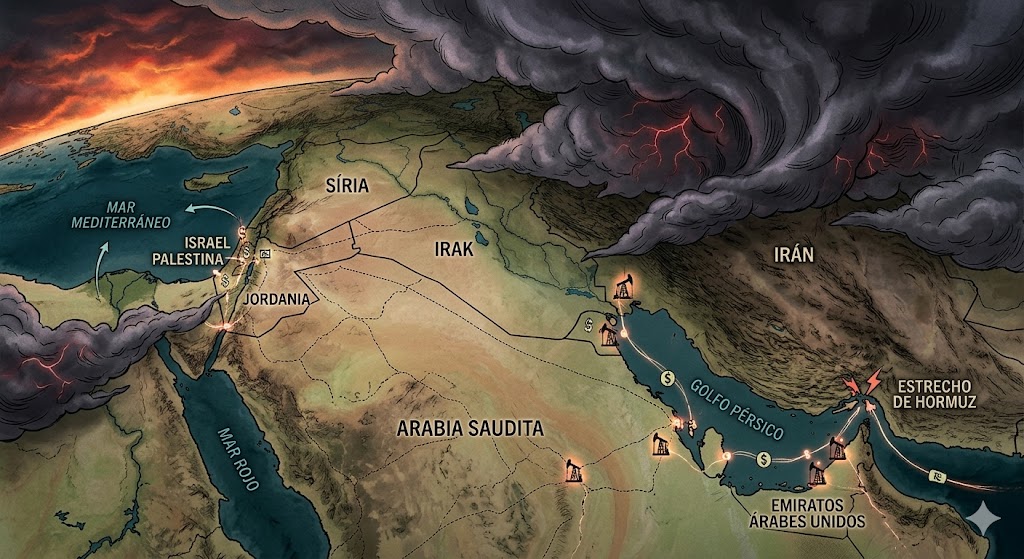
The oil market, crucial to Trump, also signals that he must act quickly. On March 12, Mojtaba Khamenei claimed the Strait of Hormuz would remain closed and U.S. bases would remain targets. Trump counted on his ability to prevent a spike in oil prices through a massive release of international reserves. However, the International Energy Agency warned—on the very day the reserves were released—of an unprecedented disruption in supply. Trump faces a serious threat to the American consumer and the Western economy. It is doubtful the president can ignore these consequences for long.
Conclusion: Political Logic vs. Trump’s Persona
After two weeks of war, Trump finds himself at a crucial juncture. Political and economic logic should lead him to adopt the Gulf states’ position and gradually abandon the alliance with Netanyahu. A typical politician would choose that path, but with Trump, it is difficult to know what will prevail. In his speech in Hebron, Kentucky, he mocked his predecessors and claimed the U.S. had already won, suggesting he has yet to decide which path to take.
If common logic wins, Netanyahu will discover himself isolated against an unprecedented internal and external crisis. But as stated, “logic” does not always align with Trump’s persona, and that is precisely what Netanyahu is betting on. The only consolation is that we won’t have to wait long to see which path the president chooses.