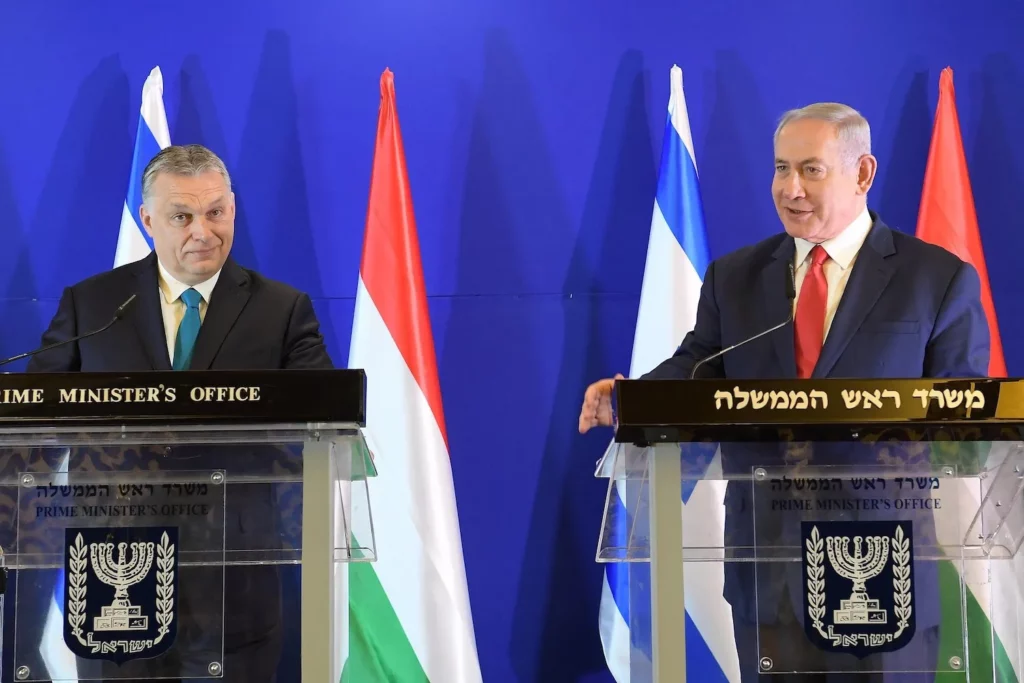
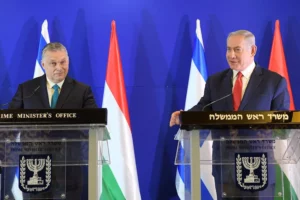
Originally, this post was meant to be devoted to a comparison between Hungary and Israel, in light of the election results that brought an end to Viktor Orbán’s rule. However, the logic of the analysis led to a broader and more significant question: what if the elections in Israel are a clear expression of a structural change in Israeli society and politics? How can this be identified? And how will we know that “we are no longer in Kansas”?
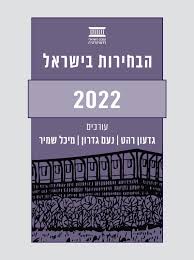
When it comes to structural change, discussions about voting behavior often appear secondary—merely the outcome of deeper processes. Nevertheless, in the present case, the elections themselves can be used to illustrate the fundamental transformations taking place in Israel, particularly in the political-party arena. If one accepts this interpretation, the central question becomes whether the populist-authoritarian regime governing Israel can survive. In this sense, it is impossible to analyze the upcoming elections through the “lens” of 2022. Any analysis of the political and social future must ask whether this kind of Israel is already behind us.
In this context, it can be said that Israel in 2022 was a kind of weird “Kansas”—a democracy with an occupation, where one could debate specific laws and even protest the occupation, as long as the protest was not effective. Israel in 2026 is an entirely different reality: the ruling group is working to transform the mechanisms of the state into its own political arm and that of its supporting groups. In this context, one can mention the article by Doron Navot and Yair Goldshmidt of the University of Haifa, who argue that the core of the democratic crisis in Israel is the “deconstruction” of the state. According to them, the government undermines the foundations of democracy through populist-authoritarian rhetoric and policy, aiming to move from a neoliberal agenda to one that dismantles state institutions, their legitimacy, and their liberal character—in order to consolidate governmental power (Doron Navot and Yair Goldshmidt, “The deconstruction of the Israeli state,” Frontiers in Political Science, vol. 7, 2025, https://doi.org/10.3389/fpos.2025.1553516).

This point must be emphasized, as it lies at the heart of the current public struggle in Israel: this is not about mismanagement, but about the conscious dismantling of the state—not only an attempt to win elections but also an effort to undermine the moral and operational authority of civilian institutions, from the judiciary and public service to the military command.
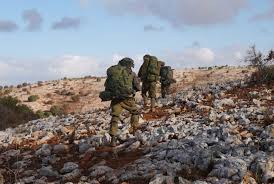
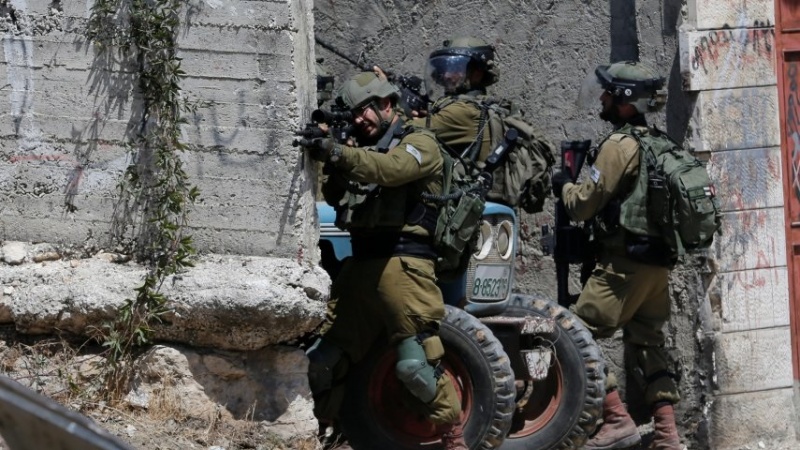
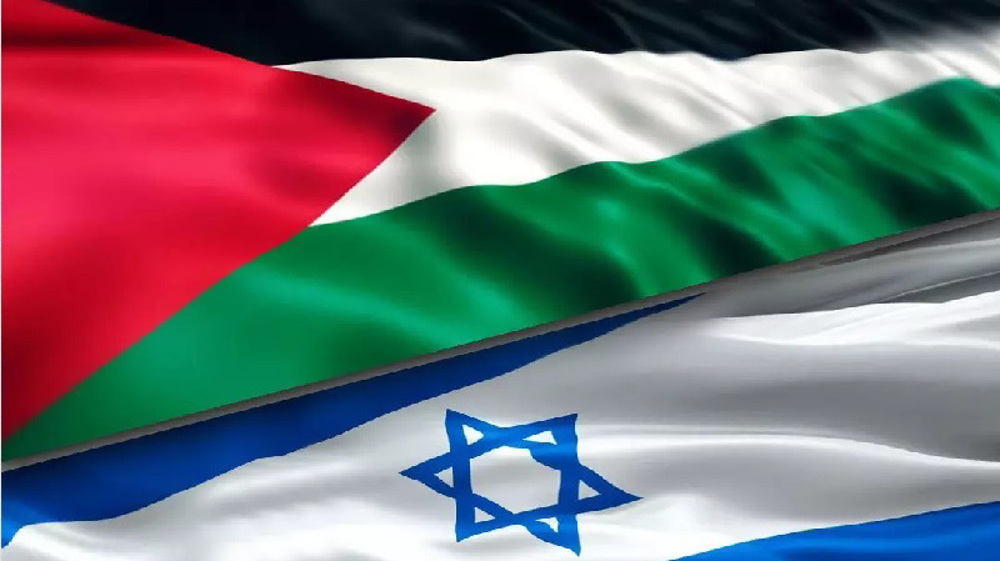
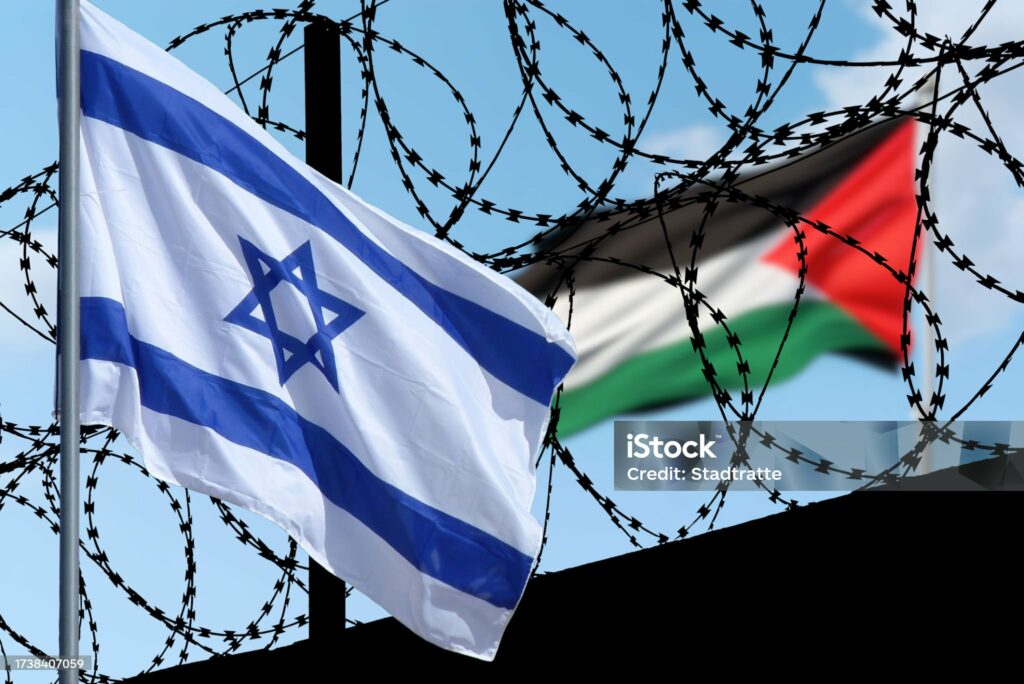
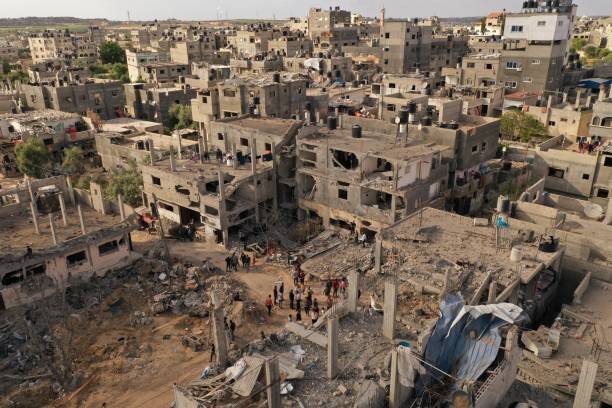
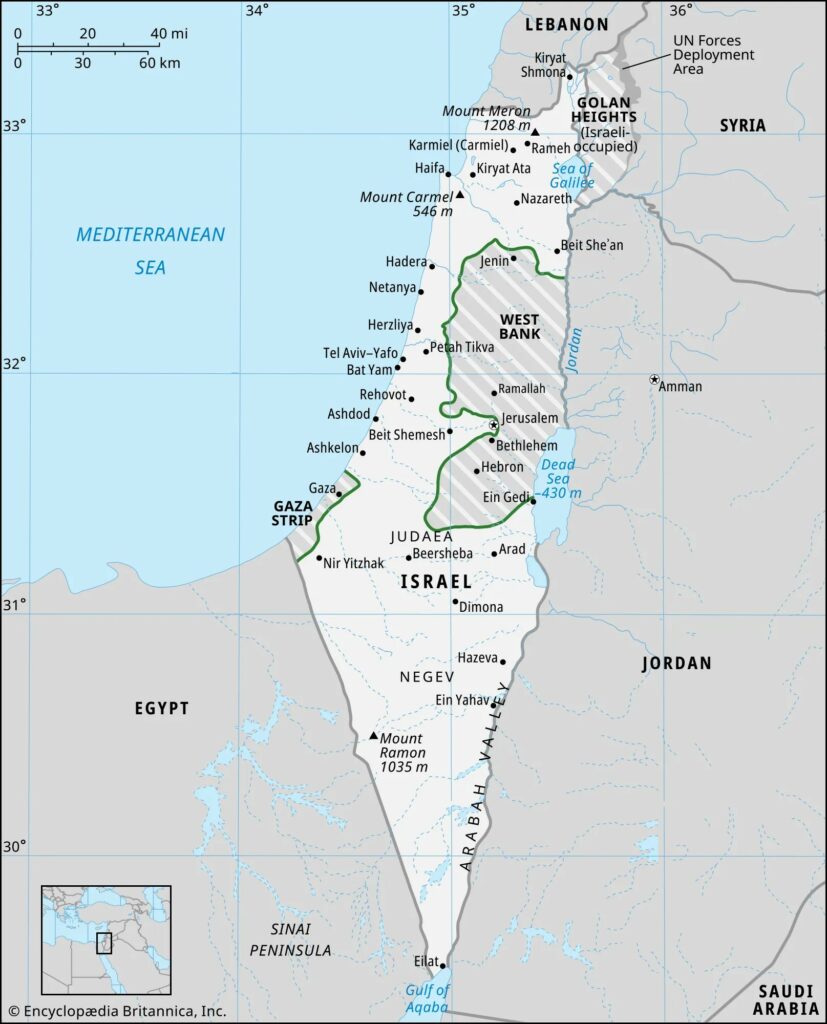
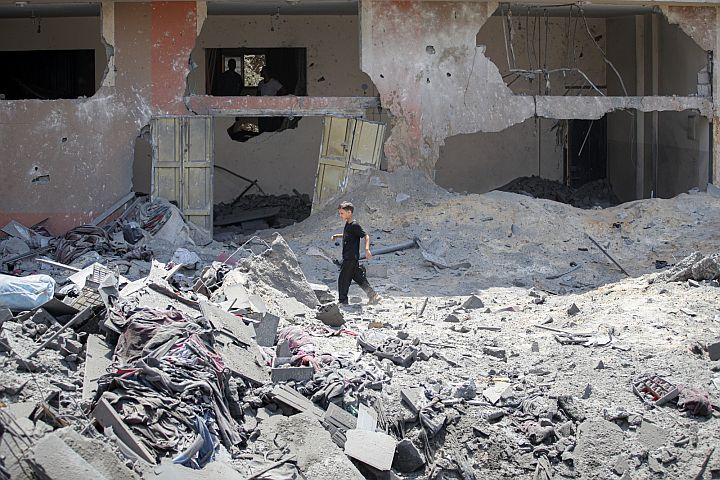
The desire for regime change is closely tied to the future of the occupation. The wars conducted by the government in recent years have turned Israeli control over the territories into part of the global confrontation between democratic and authoritarian forces. The depth of the change must be stressed: the sharp rise in violence—both official and unofficial—against the Palestinian population in the West Bank, alongside the loss of international legitimacy for Israel’s presence in the territories, undermines the “rules” that once allowed the situation to be defined as temporary. The decision regarding the type of regime in Israel will also be a decision about the future of the occupation.
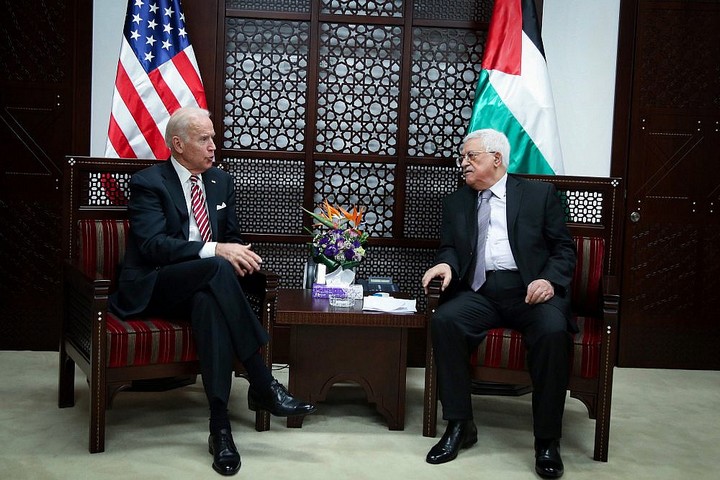
Regional developments and the conduct of the Israeli government, alongside the activities of the army and settlers, are narrowing the operational space of the occupation to the point that it is no longer sustainable within democratic rules. At the same time, erosion is evident internationally: European Union countries are showing decreasing patience, the Democratic Party in the United States is distancing itself from Israel’s leadership, and the country is becoming increasingly isolated—to the point of comparisons with late apartheid South Africa.
The current government is not only failing diplomatically; it is consciously choosing to distance itself from democratic regimes. The confrontation with Democrats in the U.S. and with the European Union is part of a strategic choice: acceptance of diplomatic isolation alongside strengthening “internal discipline”—that is, reducing criticism and potentially relying on authoritarian regimes. In other words, the model of a “democracy with occupation” is becoming impossible, and a transition to a different regime is seen as necessary.
This can also be seen in economic policy: budget transfers to settlers and the ultra-Orthodox community are not merely the result of coalition pressures but part of building a stable demographic bloc, insulated from economic shocks and thus strengthening regime resilience. Measures such as the conscription law and expanded budgets are not just short-term political steps, but foundational elements in creating a loyal social base.
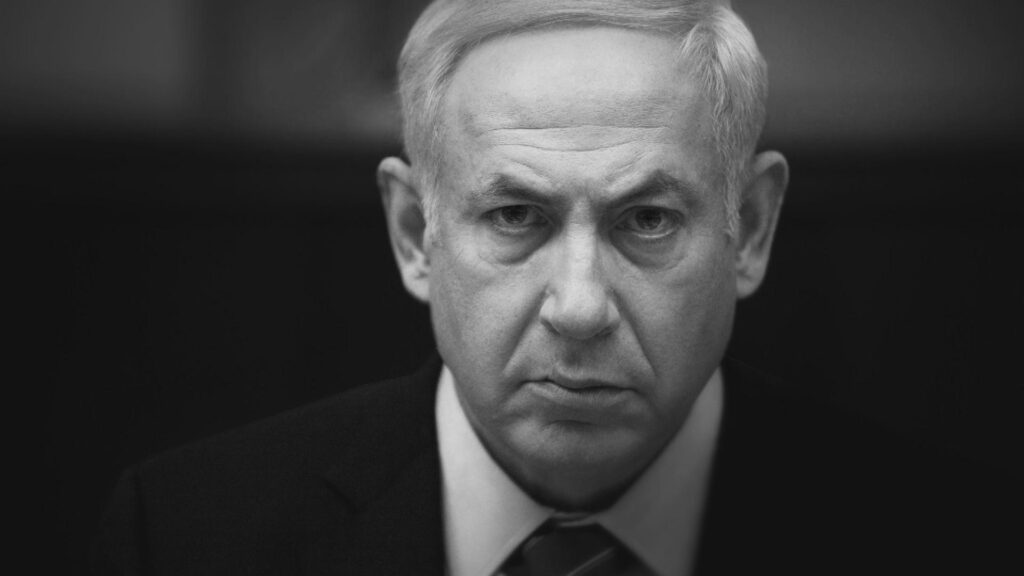
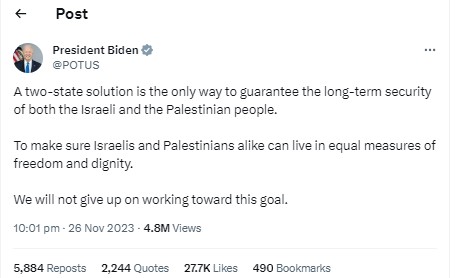
The war with Iran, in which Israel and the United States were involved, was intended in part to strengthen the authoritarian camp and its leaders. Its success might have accelerated the dismantling of democratic components in Israel and entrenched the occupation at the core of policy. However, this scenario did not fully materialize, weakening Netanyahu and increasing international pressure to promote steps toward ending the occupation and establishing a Palestinian state.
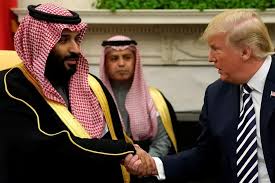
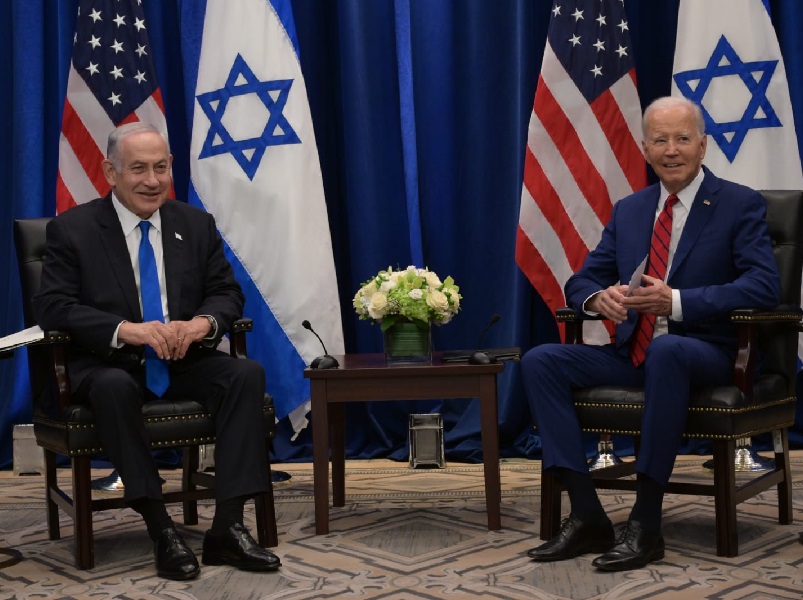
The government’s bet on the survival of the MAGA camp in the United States is also an extremely risky gamble. In a reality where control of Congress shifts to Democratic hands, Netanyahu ceases to be a strategic partner and becomes a “punching bag” of American politics. He may find himself sacrificed repeatedly in clashes between Democrats and Trump, as every move to dismantle democracy in Israel serves as incriminating evidence against his allies in Washington. In such a situation, the Israeli right’s “internal fortress” may prove to be made of cardboard against the storm winds of global politics.
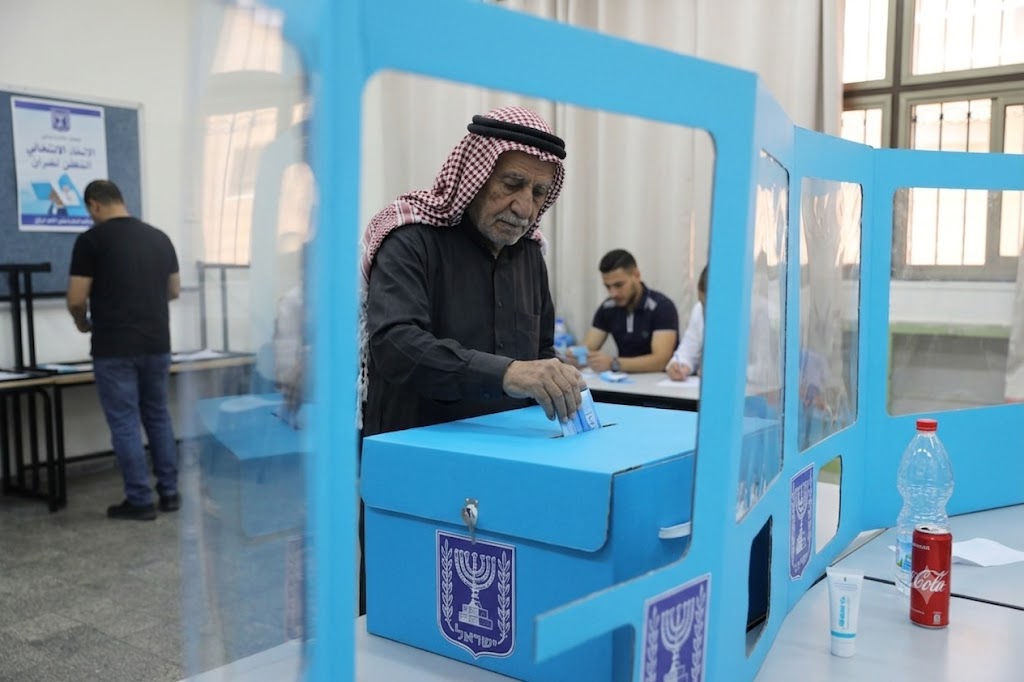
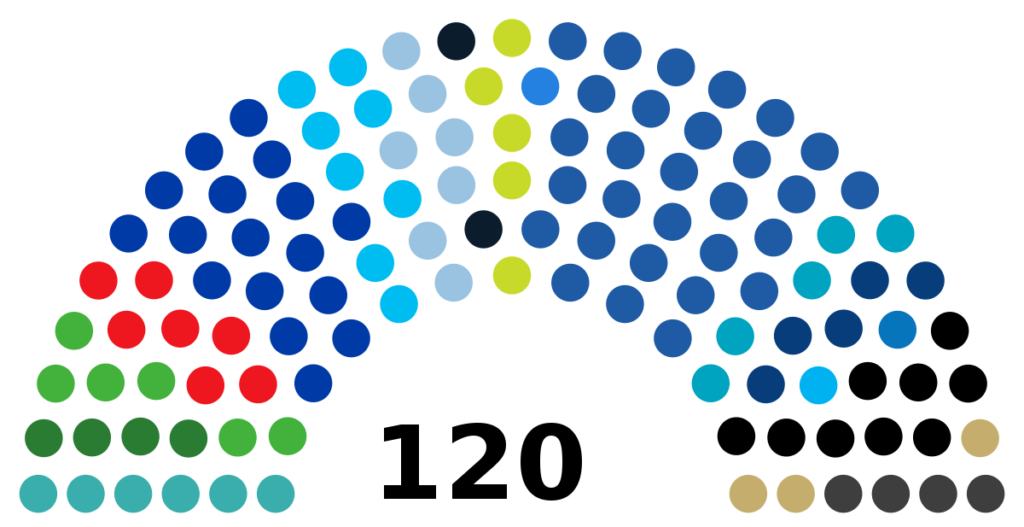
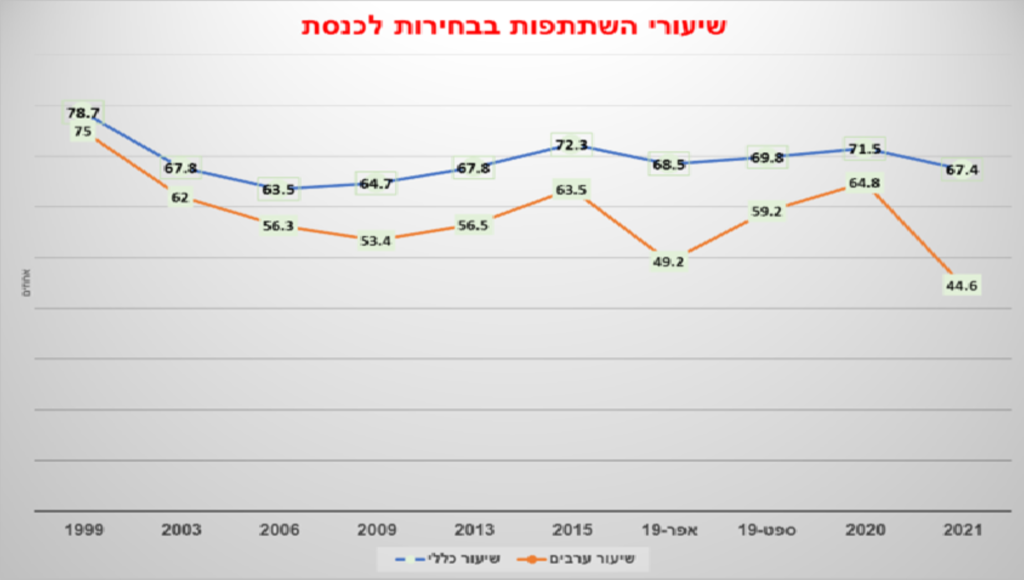
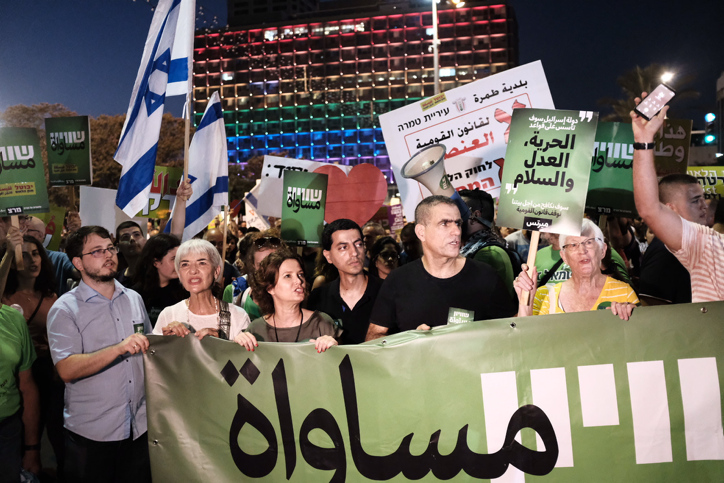
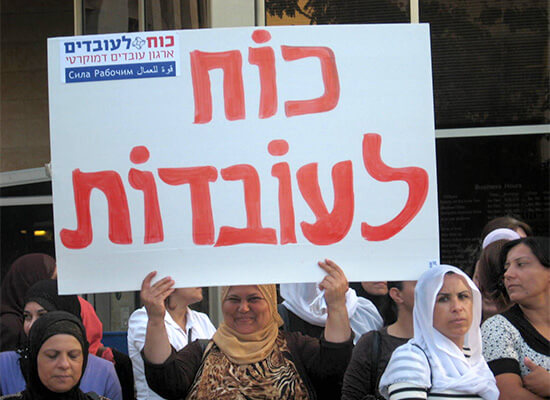
Ultimately, however, the battle for Israeli democracy will be decided within Israel itself. The upcoming elections may not be decided by dramatic vote shifts between blocs, but by participation rates. When the left unites, Arab society mobilizes, and the moderate right seeks alternative leadership, the result could be a realignment—a structural change. The Hungarian experience shows that high turnout can be decisive: there, about 80% turnout marked the end of Orbán’s rule. In Israel as well, a sharp rise in participation may indicate a deep transformation.
Thus, the elections are only one component of a broader process. Facing internal and external pressures, the Israeli right is working to fortify an internal “fortress” that will allow it to withstand international demands to end the occupation. This dynamic is not unique: external pressure can strengthen authoritarian regimes through radicalization of their base and an “us versus them” mentality—a kind of “isolated Sparta.”
The question is how long such a regime can survive, especially when it also depends on developments in the international arena. At present, the survival prospects of such a model seem limited, particularly given Israel’s dependence on the global economy. An open and integrated economy does not easily align with an authoritarian regime based on religion and occupation.
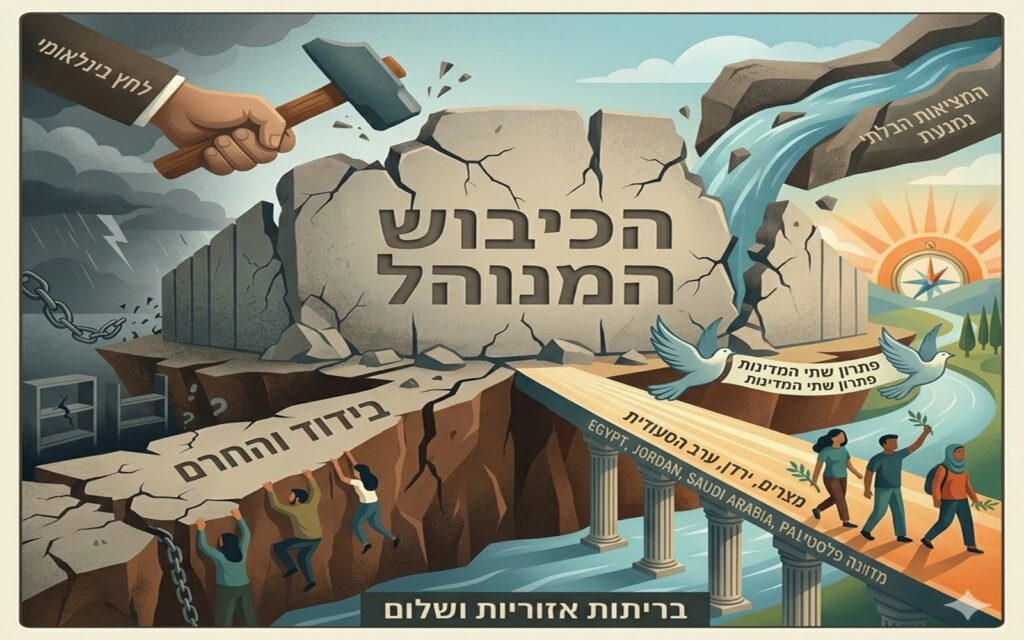
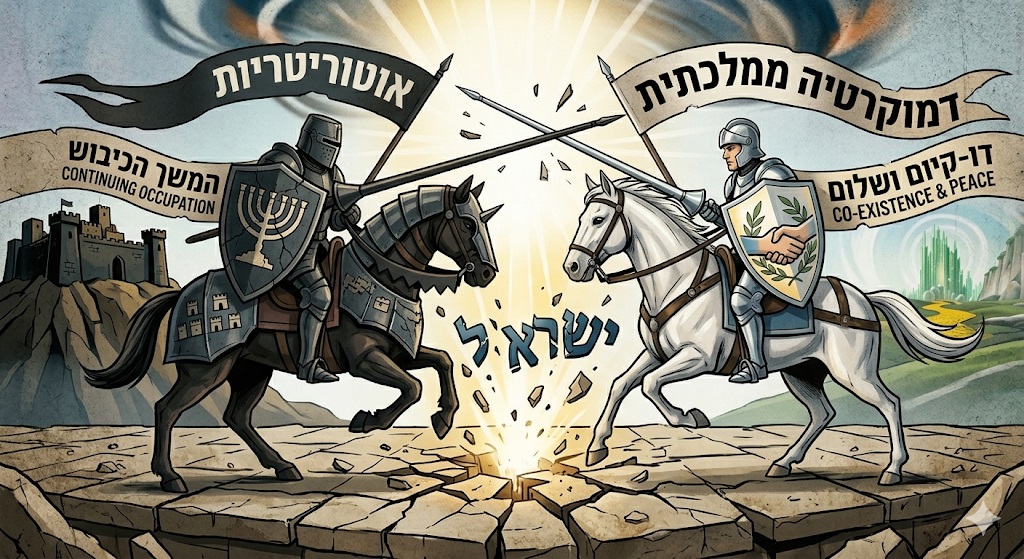
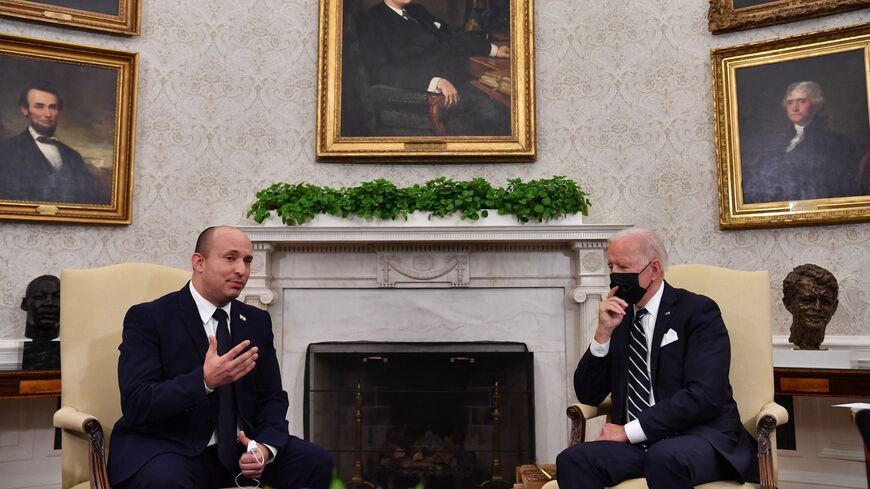
Hence, structural change in Israel may be inevitable. The question is what form it will take: deepening right-wing rule and occupation, or breaking the annexation project and reintegrating into the democratic world. In such a reality, a “government of change” model like that of 2021—a government that avoids deciding on the question of the territories—no longer appears possible.